
The Mother as Artist and Storyteller
Promise at DawnThis thread traces the mother’s theatrical imagination, which enables the family to survive while also shaping the narrator’s understanding of art and reality.
increasing Bearing strength in each event
 decreasing
Bearing strength in each eventdecreasingThe Stage in Memory
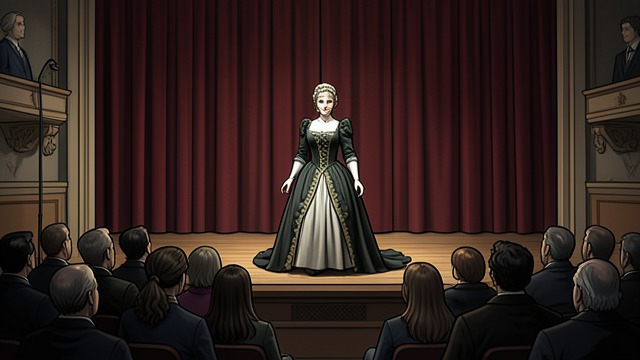
The Stage in Memory
A mother onstage
The narrator remembers his mother performing in Russian theater and carrying him into backstage worlds of painted faces, costumes, and empty stages.
Art as presence
Whether her career was as great as she claimed matters less to him than the force of her voice and imagination. She teaches him that performance can make an unseen world feel real.
Stories of France
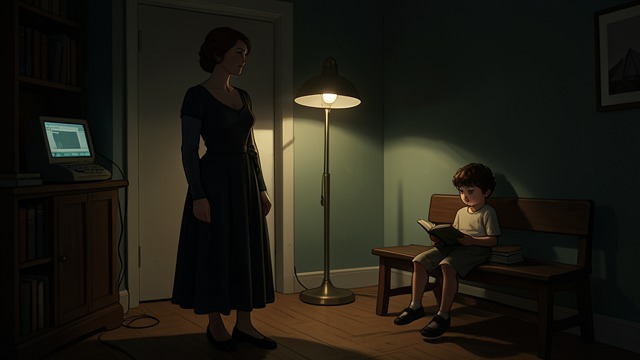
Stories of France
A tale against hardship
His mother describes France as a place where dreams come true, even as the family travels through illness and deprivation. Her storytelling gives the child a future to inhabit.
Imagination as shelter
The story does not remove the physical dangers of exile. It gives the boy a way to survive them with hope.
The Salon’s Grand Illusion
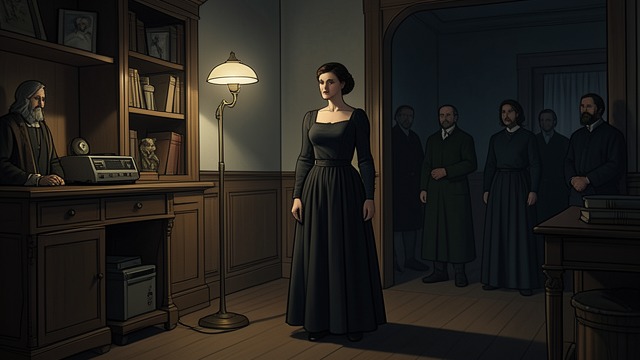
The Salon’s Grand Illusion
Reinventing commerce
His mother invents a Paris fashion house and stages a designer’s visit with an actor in the role. Her performance attracts customers and creates a brief prosperity.
Fiction with practical force
The deception is not simply vanity; it is a survival strategy. The narrator later sees her imaginative audacity as a form of talent.
The Mother’s Voice in War
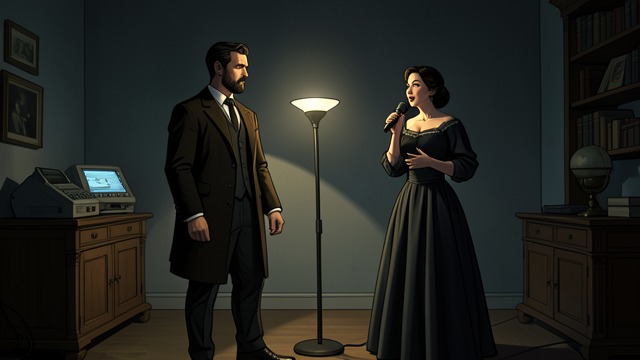
The Mother’s Voice in War
A call beyond distance
Separated from his mother, the narrator hears her judgments internally as he considers escape and resistance. Her forceful personality becomes part of his own decision-making.
Inheritance of excess
He recognizes that her drama and courage have entered his character. Her voice both drives him forward and makes retreat difficult.
The Letters as Her Final Performance
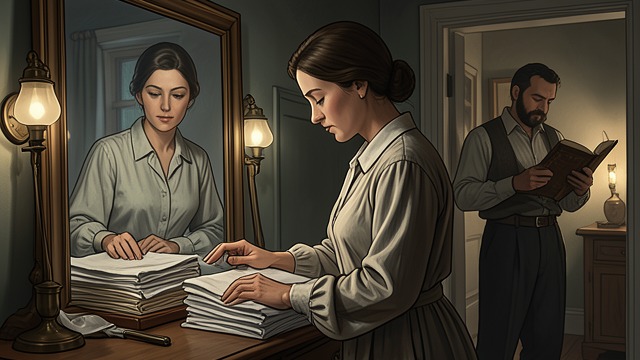
The Letters as Her Final Performance
A carefully sustained fiction
His mother arranges for letters to arrive gradually after she dies. The correspondence allows her to appear present and confident while he remains abroad.
Love made into form
The letters are both a deception and a work of care. Her final imaginative act keeps the narrator moving toward the victory she cannot witness.
The narrator’s earliest childhood
During the family’s journey west
During the rise of Maison Nouvelle
June 1940 in North Africa
After her death during the war
